
August 31, 2026
Anacortes Whale Watch
Highlights
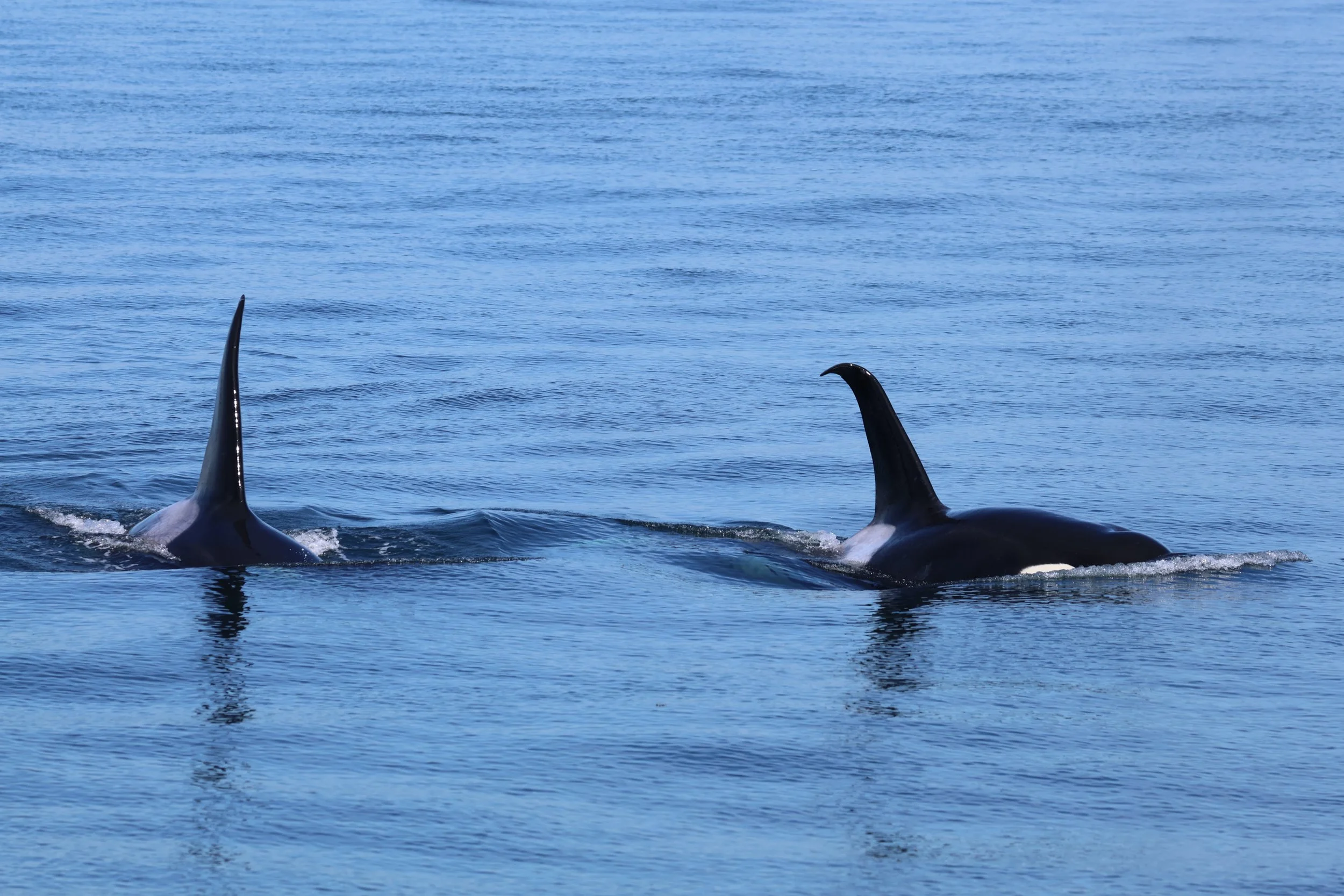
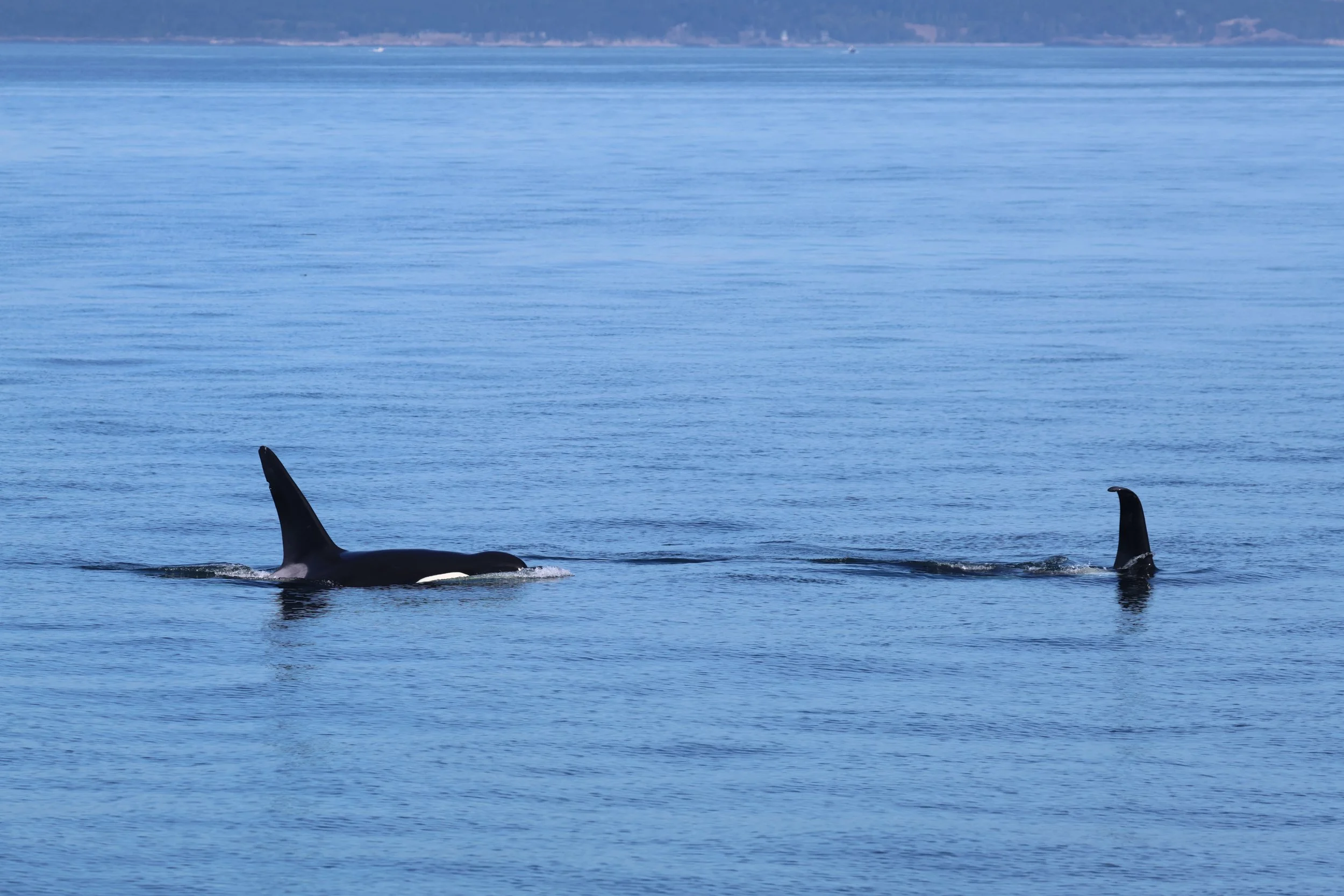
Bigg's killer whales (T49A2 and T65A3)
Steller sea lions
Harbor seals
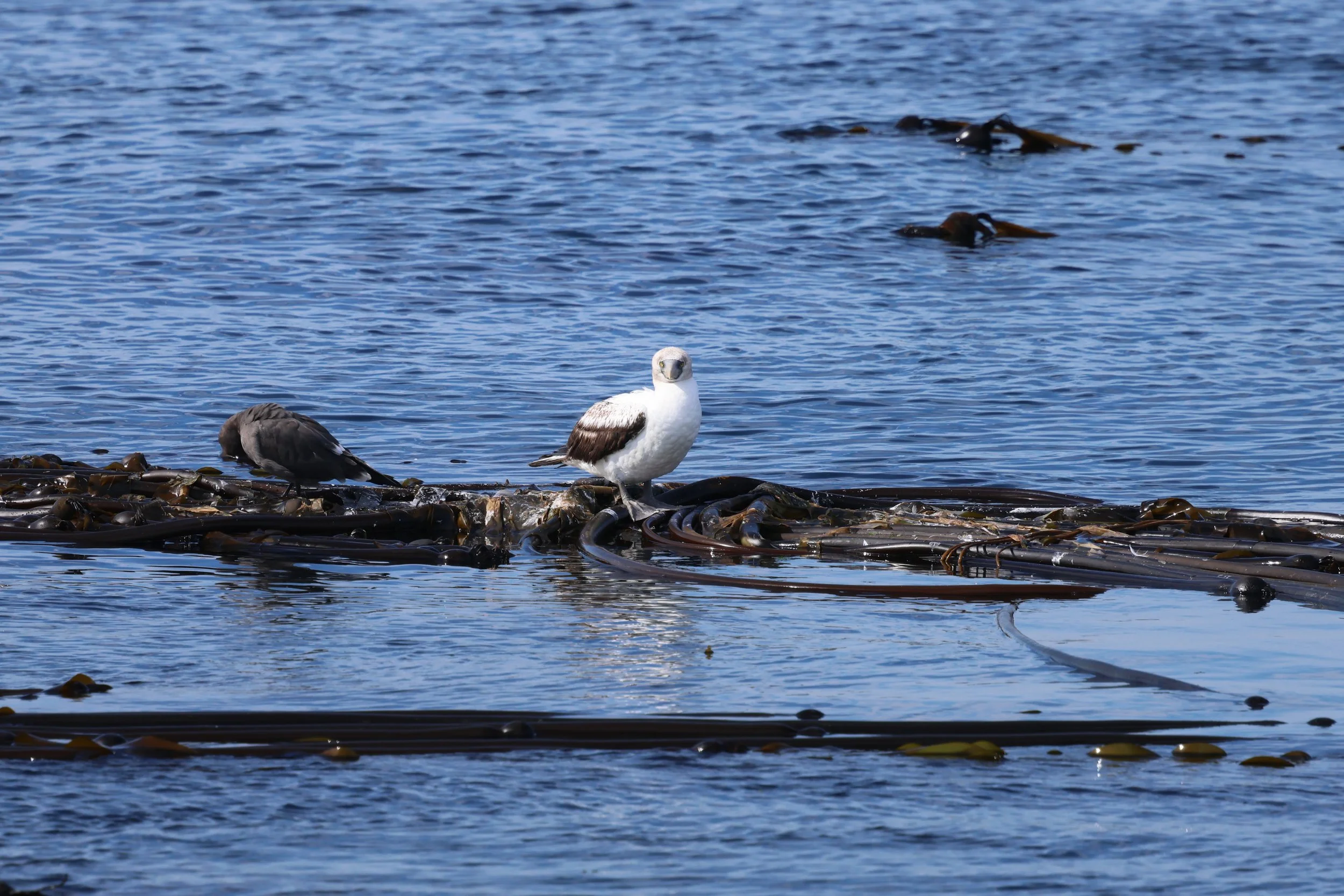
Nazca Booby!
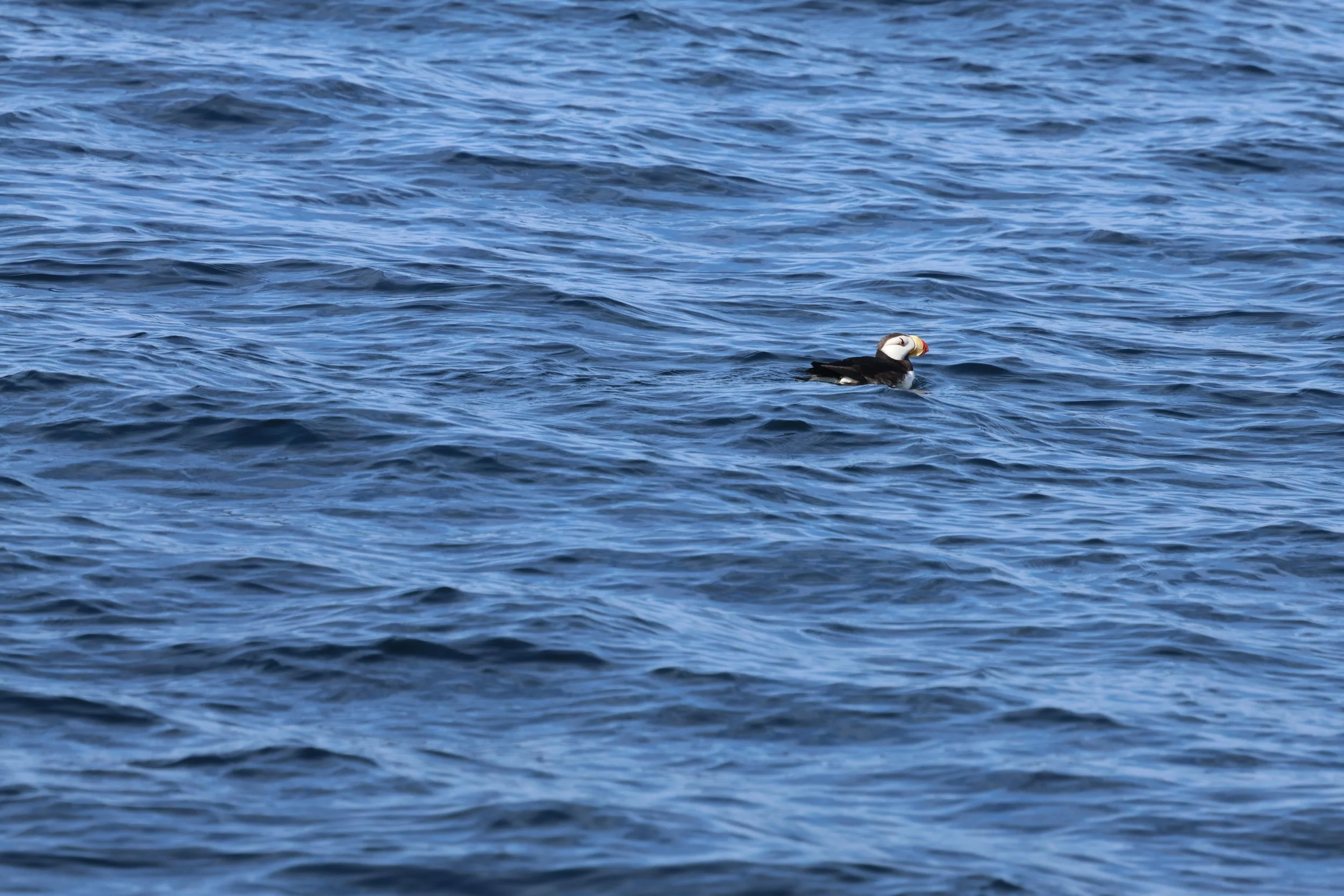
Horned puffin
Tufted puffins
August 31, 2026 | 1 PM Whale Watch
The Butcher Boys are back! I was so excited to see this iconic Bigg's killer whale duo reunited. But before we met up with these two, we made our fist stop at Bird rocks where we spotted a loose raft of Steller sea lions in the water and lots of harbor seals hauled out along the shoreline. We were also greeted with cormorants and gulls before we continued south.
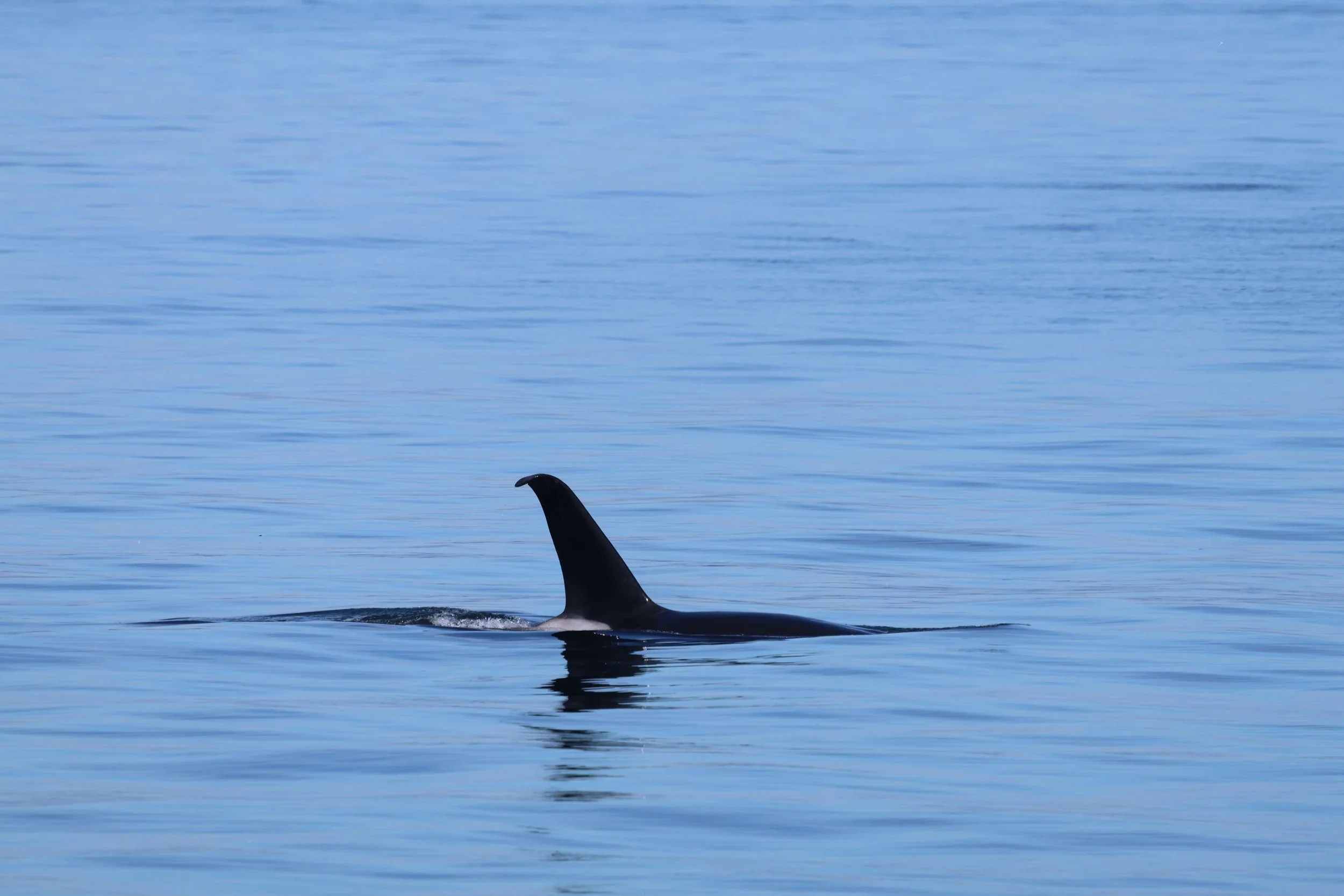
We cruised by south Lopez and then into the Strait of Juan de Fuca. Soon, we spotted two massive fins in the distance, and slowed to find none other than T49A2 Jude and T65A3 Amira. A few summers ago, these two teamed up and spent the season massacring seals, and earned themselves the name "The Butcher Boys". Now four year later, their friendship has rekindled and the two 19 year olds are back at it again.
Jude and Amira both come from larger families, (as far as Bigg's families are concerned) so they might have a tendency to wander away from their moms and siblings to get some peace and quiet. Or maybe for stealthier hunting. Amira's family also has a long history of family desertion, his own younger brother T65A5 Indy choosing to spend almost all of his time away from his pod. Perhaps Amira was inspired by Indy and chose to go on a more extended side quest as well. All anthropomorphism and silly guesses aside, we know Bigg's killer whale social structure is incredibly flexible and it isn't rare for members of a pod to wander off, sometimes even teaming up with fellow wanderers.
After our visit with Amira and Jude, we cruised over to Smith island to look for tufted puffins. But dare I say we found something even more rare... a Nazca booby!! These boobies are supposed to stick to a southern range between Peru and Mexico, often favoring the Galapagos islands. This juvenile seemed to be blown off course though, and ended up all the way up north with us. Welcome to the Salish Sea, little friend! On top of this ultra rare sighting, we also spotted tufted puffins and our horned puffin! Such an insane day for birds. After our visit at Smith, we cruised home-- an unreal day now under our belts.
We're also counting down the days until our final Full Day Tour of the season on September 11th. Join us for a wildlife-packed day like this one with double the time out on the water for even more possibilities!
-Amy
Curious why Jude sports a floppy fin? Although rare, dorsal fin collapse can occur in wild orca populations. Sometimes complete dorsal fin collapse can come from malnutrition or a physical trauma, but partial collapses like Jude's are more often due to rough housing, minor predation injuries, or socializing with other orcas. Jude's fin has leaned slightly to the right for years, and now this small droop makes him even more recognizable. Jude looks very healthy overall, and this small hook isn't a cause for concern.
In captivity, around 90% of killer whales (particularly males) face partial or complete dorsal fin collapse because of inadequate hydrostatic pressure and unnatural, lengthy logging behavior at the surface. There are no bones in these fins, so when an orcas dorsal is exposed to gravity for extended periods of time (logging at the surface) or exposed to inadequate hydrostatic pressure (resting stationary in a shallow tank) it will collapse over time.
Interested in experiencing our tours?
Island Adventures Whale Watching provides the best opportunity to explore the Salish Sea and the wildlife beneath the waves.
If you’ve been on other tours, you’ll appreciate the Island Adventures difference.